
Top Foundation Repair Equipment To Address Foundation Shifts
Identify essential tools and materials to correct foundation movement and ensure your home remains secure and level.
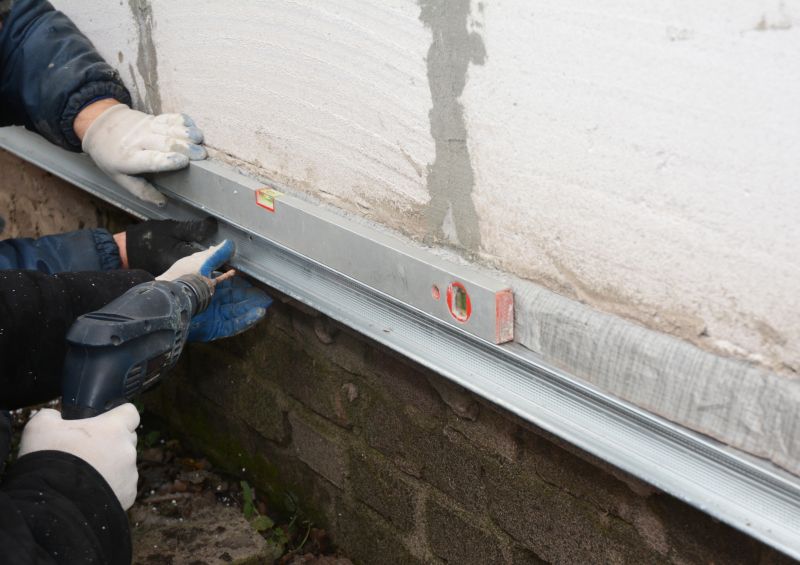 Foundation repairs are a critical aspect of maintaining the structural integrity of a building, especially in areas prone to soil movement or moisture fluctuations. When addressing foundation issues, it is essential to select appropriate products that can stabilize and reinforce the existing structure. Various repair solutions are available, ranging from simple patching compounds to advanced underpinning systems. Understanding the different product options can help homeowners and contractors make informed decisions tailored to specific foundation needs.
Top Overall Option
Polyurethane Foam Injection System
Polyurethane foam injection systems are versatile and minimally invasive solutions suitable for sealing cracks and lifting minor foundation settlement issues. They expand upon injection, filling voids and stabilizing soil beneath the foundation. These systems are appreciated for their quick application, ability to conform to irregular cracks, and their capacity to provide immediate support. When properly installed, they can help prevent further movement and water infiltration, making them a popular choice for many foundation repair scenarios.
Types of Products For Foundation Repairs
Epoxy Injection Kits
Designed for sealing cracks and restoring structural integrity in concrete foundations, epoxy injection kits are suited for minor to moderate cracks and surface repairs.
Polyurethane Foam Injectors
Used to fill voids and lift settled areas, polyurethane foam injectors are effective for quick stabilization and waterproofing.
Pier and Beam Supports
These underpinning systems provide support beneath the foundation, often used in homes with pier and beam construction.
Helical Piers
Helical piers are installed into the soil to provide deep foundation support, suitable for settling or shifting foundations.
Concrete Patching Compounds
Used for surface repairs and sealing small cracks in concrete slabs and walls, these compounds offer a quick fix.
Waterproofing Sealants
Sealants help prevent water infiltration around the foundation, reducing the risk of soil erosion and moisture-related issues.
Drainage Systems
Proper drainage solutions divert water away from the foundation, minimizing soil movement and moisture buildup.
Soil Stabilizers
Chemical or mechanical stabilizers improve soil strength around the foundation, reducing settlement and shifting.
Grout and Mortar Mixes
Used for filling larger voids or reinforcing foundation walls, grout and mortar mixes are essential in underpinning projects.
Adjustable Support Jacks
These jacks allow for controlled lifting and leveling of foundation sections during repairs.
Foundation Repair Braces
Braces provide lateral support to walls and sections of the foundation that are experiencing bowing or shifting.
Vapor Barriers
Installed beneath slabs, vapor barriers help control moisture levels and prevent soil expansion or contraction.
Gravel and Drain Tiles
These materials improve drainage around the foundation, helping to maintain soil stability.
Chemical Soil Stabilizers
Injected into the soil, these chemicals enhance soil load-bearing capacity and reduce settlement.
Popular Choices
Frequently used for sealing cracks in concrete foundations, epoxy sealants are a common choice for minor repairs.
Popular for quick stabilization and waterproofing, these injectors are often selected for their ease of use.
A common underpinning option in older homes, providing support beneath the structure.
Chosen for their ability to support shifting foundations, especially in problematic soils.
Widely used for surface repairs, these compounds help restore the appearance and integrity of foundation surfaces.
Commonly applied to prevent water infiltration, helping maintain foundation stability.
Effective in managing water flow around foundations, these systems are frequently recommended.
Popular for improving soil conditions, reducing movement and settlement issues.
Installed in slabs to control moisture, these are common in foundation moisture management.
Used for leveling and lifting foundation sections during repairs, supporting uneven settling.
Proper foundation repair involves assessing the extent of the damage and choosing suitable materials that can effectively support the structure over time. Products such as epoxy injections and polyurethane foam are commonly used for minor cracks and surface issues, providing quick and minimally invasive solutions. For more significant problems, underpinning systems like pier and beam supports or helical piers may be necessary to provide long-term stability. Each product type offers unique advantages and considerations, making it vital to evaluate the specific requirements of the foundation and the surrounding soil conditions.
In addition to structural reinforcement, waterproofing and moisture management products play a vital role in preventing future foundation problems. Moisture barriers, drainage systems, and sealants help protect the foundation from water infiltration, which can lead to soil expansion or contraction and subsequent shifting. Combining these products with structural repair solutions ensures a comprehensive approach to foundation health, helping to mitigate ongoing issues and extend the lifespan of the building.
When selecting foundation repair products, it is important to consider factors such as ease of application, compatibility with existing materials, durability, and the specific type of foundation involved. Consulting with foundation repair professionals can provide tailored recommendations based on the unique conditions of the property. Properly chosen products, combined with expert installation, can contribute significantly to the stability and safety of a building in Bloomington, IN, and surrounding areas.
Key Buying Considerations
- Assess the extent and type of foundation damage to determine suitable repair products.
- Consider the soil type and moisture conditions around the property for optimal product selection.
- Evaluate whether the repair involves surface cracks, structural shifts, or deep foundation support.
- Choose products that are compatible with existing foundation materials, such as concrete or masonry.
- Prioritize solutions that offer long-term stability and durability for your specific needs.
- Review ease of application and whether professional installation is recommended or required.
- Inspect the product’s capacity to provide waterproofing or moisture control if needed.
- Determine if the product can accommodate future settlement or shifting without failure.
- Check for certifications or industry standards that validate the product’s effectiveness.
- Factor in budget constraints while balancing the quality and longevity of repair solutions.
- Consider the environmental conditions, such as flooding or heavy rainfall, that may impact repair choices.
- Review warranty or guarantee options offered by manufacturers or service providers.
- Consult with foundation repair specialists to get tailored recommendations based on your property.
- Evaluate the ease of access to the repair site and whether specialized tools or equipment are necessary.
- Assess the potential need for ongoing maintenance or monitoring after the initial repair.